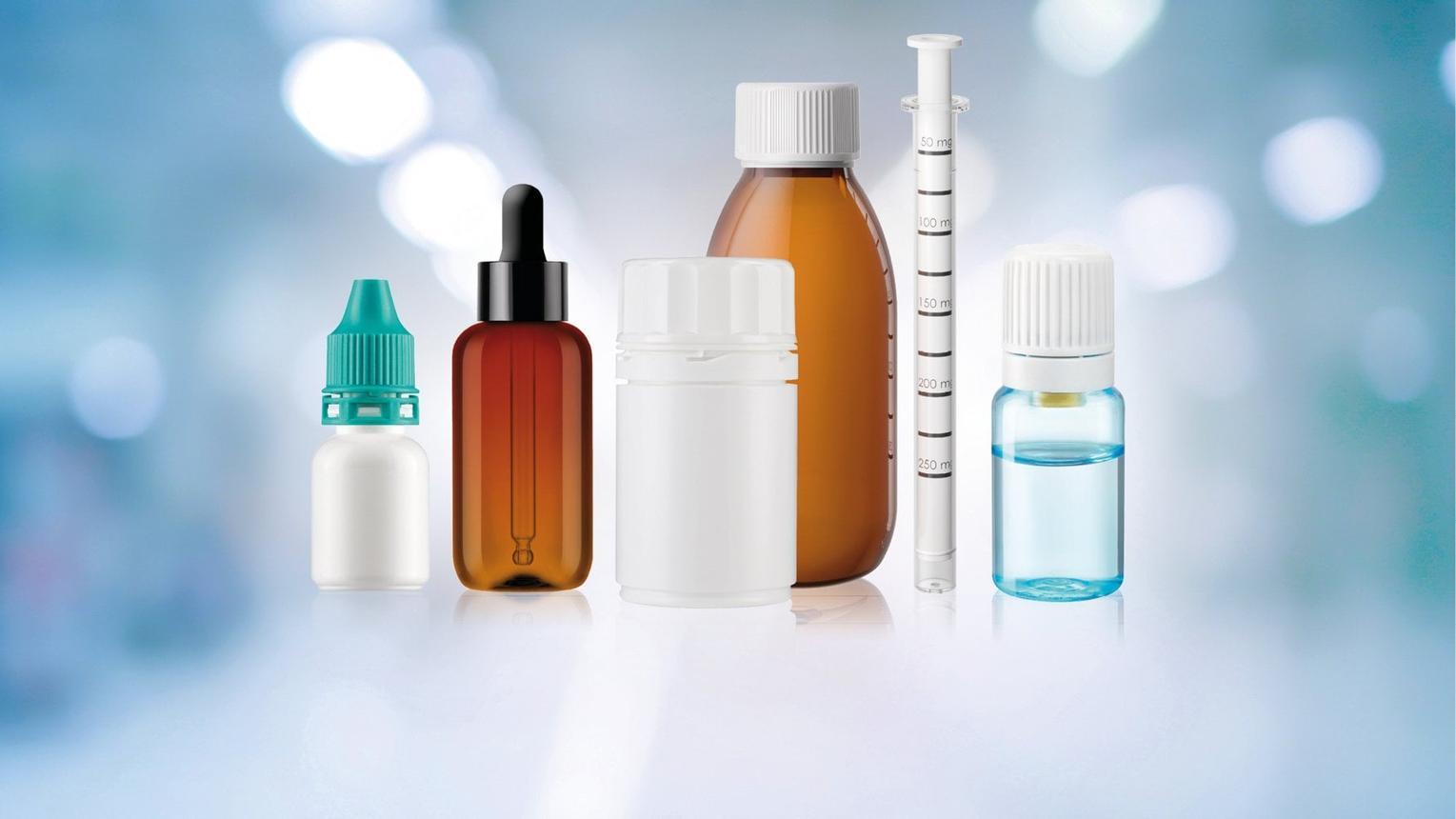
HDPE vs. PET: Which Plastic Is Right for Your Packaging Needs?
Choosing the right packaging material is an important decision for any business. Packaging does more than hold a product. It helps protect the contents, supports convenient handling, improves product presentation, and influences how customers view a brand.
Super International
Technical Editorial • Super International Engineering Group
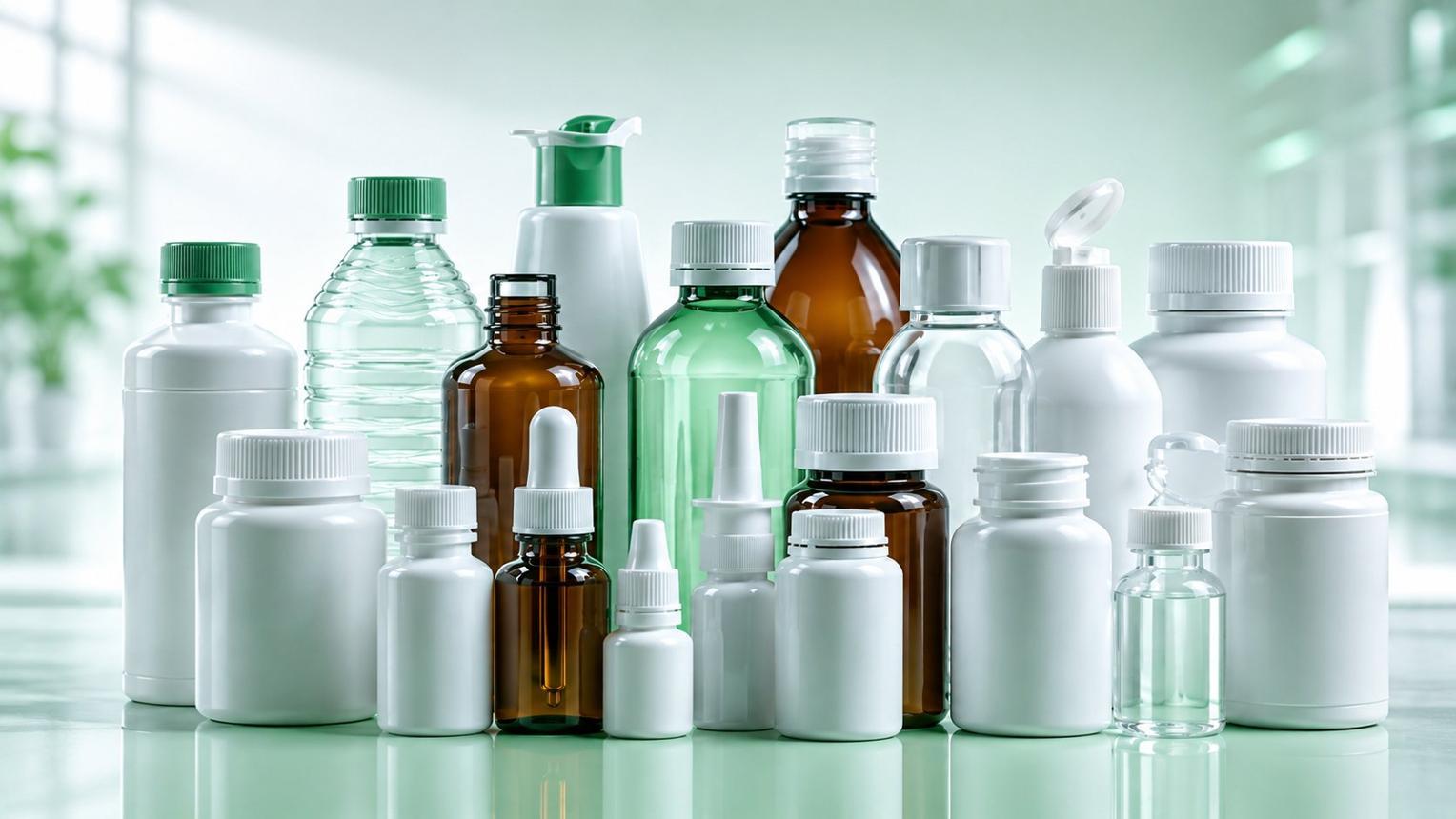
Featured image suggestion: A side-by-side display of HDPE bottles and transparent PET packaging.
Table of Contents
Introduction: Why Does Packaging Material Matter?
What Is HDPE?
What Is PET?
HDPE vs. PET: Key Differences
Which Material Is Better for Pharmaceutical Packaging?
Which Material Is Right for Your Product?
Sustainability and Recycling
How to Choose the Right Packaging Material
Conclusion
Frequently Asked Questions
Research References
1. Introduction: Why Does Packaging Material Matter?
Choosing the right packaging material is an important decision for any business. Packaging does more than hold a product. It helps protect the contents, supports convenient handling, improves product presentation, and influences how customers view a brand.
Two of the most widely used plastics in packaging are HDPE (High-Density Polyethylene) and PET (Polyethylene Terephthalate). Both are lightweight, durable, and suitable for a wide range of applications. However, they have different properties, making each one better suited to certain packaging requirements.
HDPE is commonly chosen for its chemical resistance, toughness, and practical performance. PET is widely preferred when transparency, a polished appearance, and good gas-barrier properties are important. Research reviews of PET packaging also highlight its mechanical strength, lightweight design, and established recycling applications.
So, which plastic is right for your packaging needs? The answer depends on your product, storage conditions, required protection, design preferences, and budget. In this guide, we explain the differences between HDPE and PET to help businesses make a more informed packaging decision.
2. What Is HDPE?
HDPE (High-Density Polyethylene). HDPE is a strong, lightweight plastic widely used to manufacture bottles, jars, containers, and other packaging products. It is known for its toughness, resistance to many chemicals, and ability to withstand everyday handling.
HDPE packaging is often opaque or translucent, although its appearance can vary depending on the grade, colour, and design.
HDPE Syrup Bottles | Oral Medicine Bottles | Adelphi Healthcare Packaging
Key features of HDPE
Chemical resistance: Suitable for many products that require resistance to chemical interaction, subject to compatibility testing.
Durability: Offers good toughness for handling, storage, and transportation.
Moisture resistance: Helps limit the passage of water vapour.
Flexible design options: Can be produced in different shapes, sizes, and colours.
Practical everyday use: Commonly used for pharmaceutical, healthcare, personal care, and household product packaging.
Common applications of HDPE
HDPE is widely used for syrup and suspension bottles, antiseptic containers, lotion bottles, pharmaceutical jars, and other packaging where durability and chemical compatibility are important.
For manufacturers looking for dependable packaging for everyday use, HDPE can be a practical choice. However, the final selection should always consider the formulation being packed and the conditions in which it will be stored.
3. What Is PET?
PET (Polyethylene Terephthalate). PET is a strong, lightweight plastic known for its clarity and attractive finish. It is commonly used for beverage bottles, food containers, jars, and packaging where seeing the product inside is an advantage. Its combination of transparency, mechanical strength, and gas-barrier performance makes it a popular choice for many packaging applications.
Key features of PET
High transparency: Makes the contents visible.
Good strength: Helps packaging withstand normal handling.
Gas-barrier properties: Provide better resistance to oxygen and carbon dioxide transmission than many conventional packaging plastics.
Premium appearance: Supports clean, modern product presentation.
Recycling potential: PET bottles are widely collected for recycling in many established recycling systems.
Common applications of PET
PET is frequently used for clear bottles, food and beverage containers, cosmetic packaging, and jars for products where visibility matters. It can also be considered for selected pharmaceutical and healthcare applications, provided the material and finished packaging meet the product's requirements. For brands that want customers to see the product before opening the container, PET can be an excellent option.
4. HDPE vs. PET: Key Differences
Although both materials are popular, their performance differs in several important areas.
Feature
HDPE
PET
Appearance
Usually opaque or translucent
Usually clear and transparent
Durability
Tough and impact-resistant
Strong and rigid, but design-dependent
Chemical resistance
Excellent for many chemicals
Good for many applications, but formulation-dependent
Moisture barrier
Good
Good
Oxygen and CO₂ barrier
Generally lower
Generally better
Design and appearance
Practical, available in many colours
Clear, polished, premium appearance
Common packaging
Syrup bottles, chemical containers, jars
Clear bottles, beverage containers, transparent jars
Recycling identification
Resin code #2
Resin code #1
Note: These are general material characteristics. Actual performance depends on resin grade, wall thickness, container shape, closure, and manufacturing process. Neither material is automatically suitable for every product.
Strength and durability
HDPE is known for its toughness and ability to handle everyday knocks and rough handling. This makes it suitable for many products distributed in bulk or transported through demanding supply chains.
PET is also strong and impact-resistant, particularly when properly designed. However, the finished container's performance depends on its shape, thickness, and intended use.
Chemical and moisture resistance
HDPE performs well with many chemicals and provides good resistance to moisture. It is often considered for formulations that need a durable container. PET provides good resistance to many substances too, but its suitability must be checked against the actual formulation.
For both materials, testing is important before choosing packaging for medicines, chemicals, or sensitive products.
Appearance and product visibility
This is one of the clearest differences between the two plastics. HDPE is often selected when the packaging needs a solid appearance, coloured finish, or practical design. PET is preferred when transparency is important, such as when customers need to see the product level, colour, or appearance.
Cost and manufacturing
The final cost of packaging depends on more than the raw material. Bottle weight, mould design, production volume, closures, printing, transport, and quality requirements all influence the total cost.
For this reason, businesses should compare complete packaging solutions rather than selecting a material based on price alone.
5. Which Material Is Better for Pharmaceutical Packaging?
Pharmaceutical packaging requires careful consideration because the container must be compatible with its contents and suitable for its intended storage conditions.
HDPE may be the better choice when:
The product needs a tough, practical container.
Resistance to the formulation's chemicals is a priority.
An opaque or coloured bottle is preferred.
The packaging needs to accommodate suitable screw caps or child-resistant closures.
PET may be the better choice when:
Product visibility is important.
A clear, professional appearance is desired.
The formulation is compatible with the selected PET grade.
The container's barrier properties meet the product's stability requirements.
For example, a pharmaceutical company considering a syrup bottle should assess the formulation, light sensitivity, storage period, closure, and filling conditions before choosing between HDPE and PET.
The same principle applies to tablet jars, lotion bottles, dropper bottles, and other healthcare packaging.
Material selection alone does not guarantee pharmaceutical suitability. Compatibility, extractables and leachables where applicable, container-closure integrity, and stability testing may be required according to the product and relevant regulations.
6. Which Material Is Right for Your Product?
HDPE Syrup Bottles | Oral Medicine Bottles | Adelphi Healthcare Packaging
lotion bottle plastic China, China empty bottle plastic manufacturers, China plastic bottle factory
Here is a practical starting point for manufacturers comparing their options.
Product or requirement
Material to consider
Why
Pharmaceutical syrups and suspensions
HDPE or PET
Depends on formulation and storage requirements
Chemical-based products
HDPE, subject to testing
Often offers broad chemical resistance
Transparent jars and bottles
PET
Clear presentation of contents
Tablet and capsule jars
HDPE or PET
Depends on protection, visibility, and closure
Lotion and personal care bottles
HDPE or PET
Depends on formula, dispensing, and appearance
Products requiring light protection
Suitable opaque packaging
Light protection depends on colour, material, and design
These suggestions are a starting point, not a substitute for testing. The correct packaging material must be chosen for the specific product and its intended use.
7. Sustainability and Recycling
Sustainability is becoming an important part of packaging decisions. Both HDPE and PET can be recycled, but actual recycling depends on local collection systems, sorting facilities, contamination, and market demand.
The U.S. Environmental Protection Agency's report, Sustainable End-of-Life Management of Plastics (2023), discusses recycling and other options for managing plastic waste. It identifies PET and HDPE as important packaging materials with established uses for recycled plastic.
EPA NERL
Businesses can support more responsible packaging choices by:
Using an appropriate amount of material without compromising protection.
Exploring lightweight container designs.
Selecting packaging that fits available recycling systems.
Avoiding unnecessary material combinations where practical.
Working with suppliers to evaluate suitable recycled-content options.
Neither HDPE nor PET is biodegradable under ordinary environmental conditions. Recycling is therefore an important part of managing their end-of-life impact.
8. How to Choose the Right Packaging Material
Before finalising a packaging order, consider these five questions:
What are you packing? Identify the formulation and its compatibility requirements.
What protection does it need? Consider moisture, oxygen, light, leakage, and contamination.
What appearance do you want? Decide whether transparency, colour, or a specific finish matters.
How will it be used? Review filling methods, storage, transportation, dispensing, and closure requirements.
What is your production budget? Compare the full cost of the container, closure, decoration, and logistics.
Requesting samples and conducting product-specific testing before placing a large order can help reduce packaging problems later.
9. Conclusion: The Right Plastic Is the One That Fits Your Product
There is no single winner in the HDPE vs. PET comparison. HDPE is a strong option for manufacturers who prioritise toughness, chemical resistance, and practical packaging designs. PET is a strong option when transparency, product visibility, and gas-barrier performance are important.
The right choice depends on what your product needs and how your packaging must perform throughout its shelf life.
At Super International Pvt. Ltd., we understand that packaging is an important part of manufacturing. As a plastic manufacturer and packaging-solutions provider, we offer a range of plastic packaging products for pharmaceutical, healthcare, personal care, and related industries.
Whether you are exploring bottles, jars, or customised packaging requirements, choosing the right material is the first step towards packaging that works for your product and your business.
Looking for the right packaging for your product? Contact Super International Pvt. Ltd. to discuss your packaging requirements.
10. Frequently Asked Questions
Q1. Is HDPE better than PET for pharmaceutical bottles?
Not always. HDPE may be preferred for chemical resistance and toughness, while PET may be preferred for transparency and barrier performance. The product formulation and testing requirements determine the suitable choice.
Q2. Which plastic is more transparent, HDPE or PET?
PET is generally much more transparent. HDPE is typically opaque or translucent.
Q3. Can both HDPE and PET be recycled?
Yes. Both are recyclable, although actual recycling depends on local facilities, collection systems, and the design of the packaging.
Q4. Is PET suitable for medicine packaging?
PET can be suitable for selected pharmaceutical applications. Its compatibility, barrier performance, closure system, and compliance with applicable requirements must be evaluated for the specific medicine.
Q5. Which material is more cost-effective?
There is no universal answer. The total cost depends on the material grade, container weight, design, production volume, closure, and logistics.
Have a Custom Packaging Project?
Our polymer engineers and mold specialists provide confidential DFM analysis, 3D prototyping, and high-cavity tooling validation.