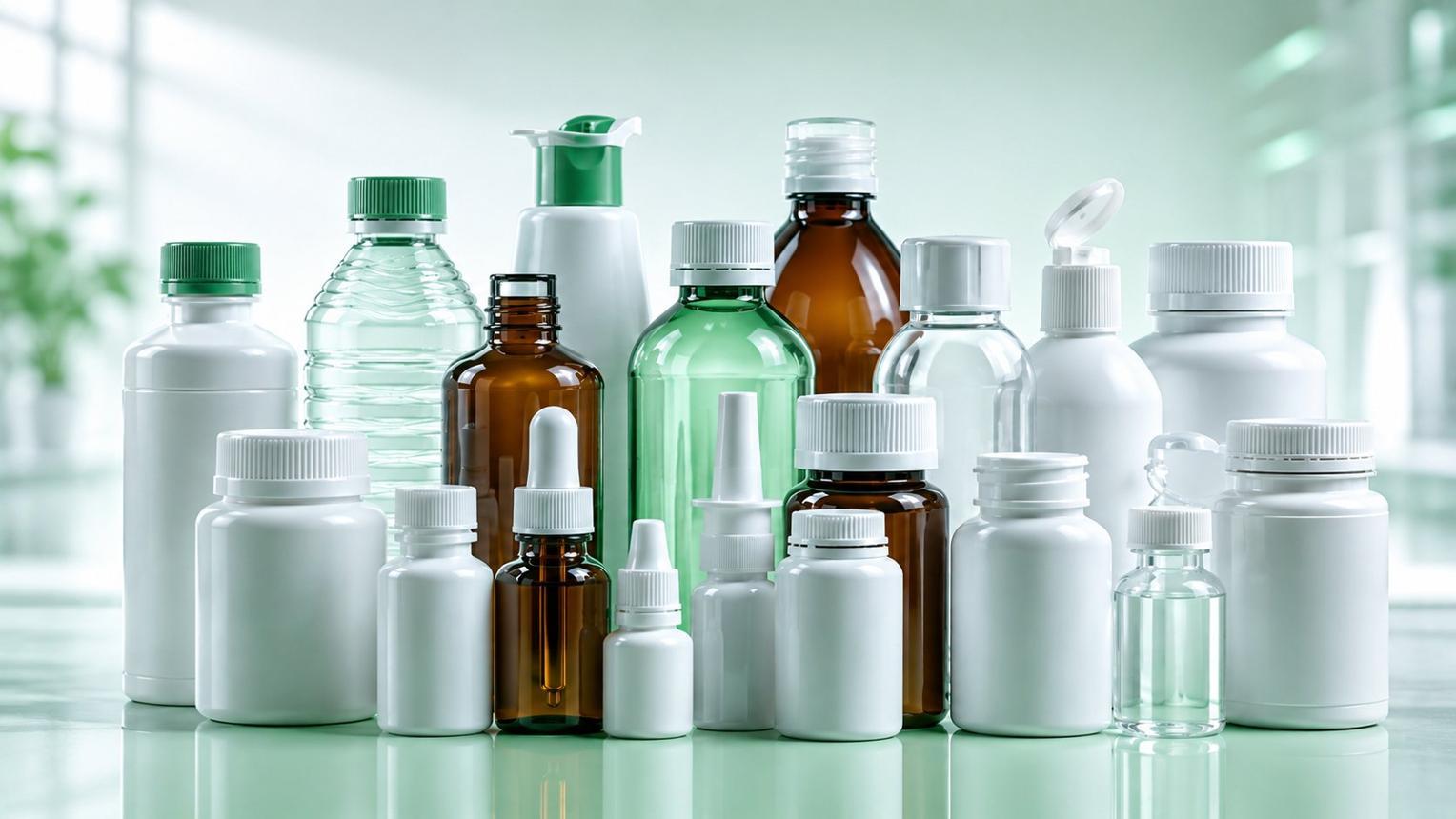
How to Choose the Right Pharmaceutical Packaging for Your Product
The pharmaceutical industry has different packaging requirements depending on the type of medicine, its formulation, storage conditions, and intended use. A bottle suitable for a liquid syrup may not be the right choice for tablets or a light-sensitive formulation.
Super International
Technical Editorial • Super International Engineering Group
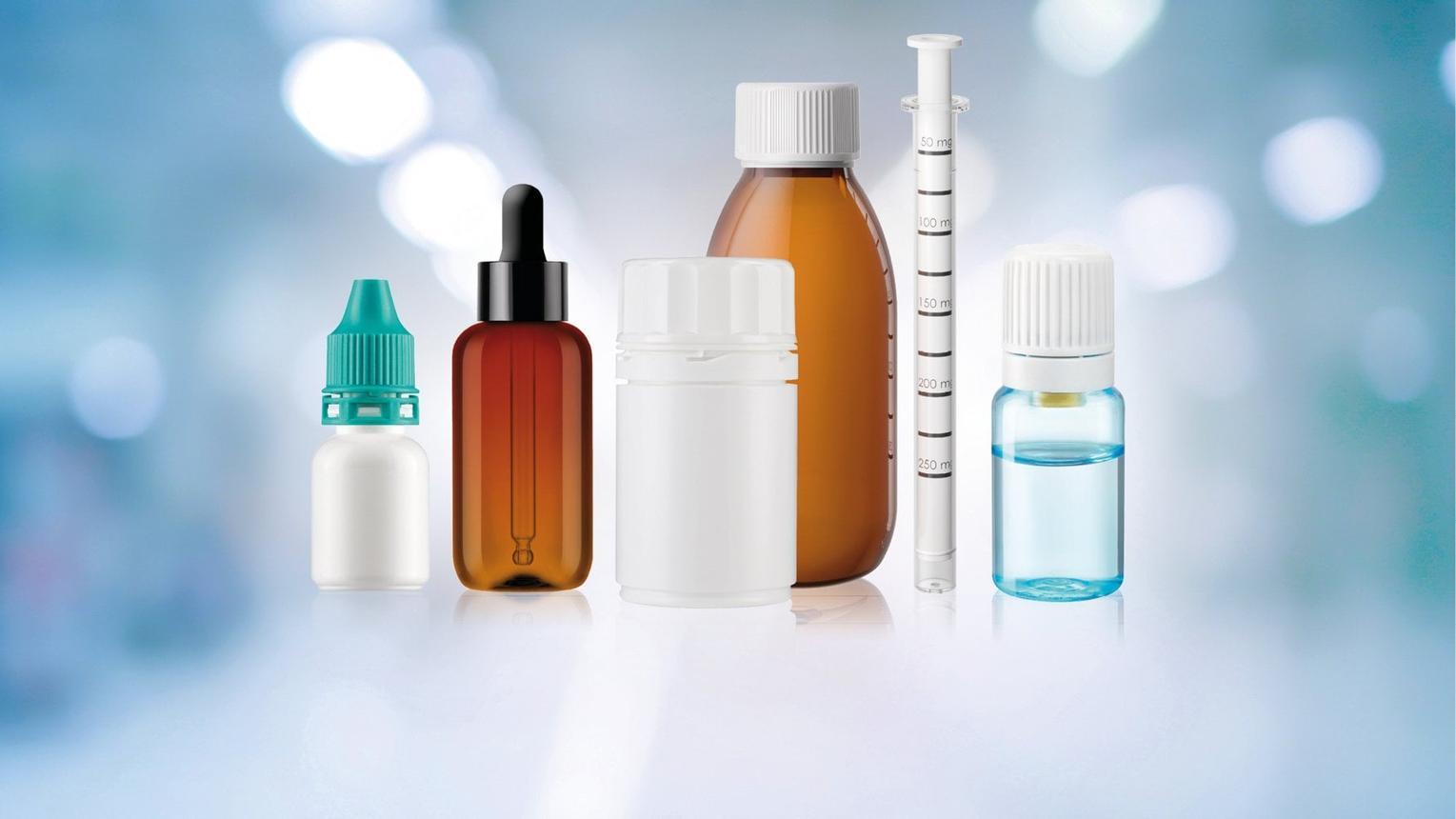
Pharmaceutical Packaging
Category: Packaging Knowledge
Reading time: 6–8 minutes
Table of Contents
Introduction: Why Pharmaceutical Packaging Matters
Understand Your Product First
Choose the Right Packaging Material
Consider the Type of Packaging
Protection, Safety and Product Compatibility
The Importance of Caps and Closures
Design, Convenience and Branding
Quality Testing and Regulatory Requirements
Common Mistakes to Avoid
Conclusion
Frequently Asked Questions
Research References
How to Choose the Right Pharmaceutical Packaging for Your Product
1. Introduction: Why Pharmaceutical Packaging Matters
When it comes to pharmaceutical products, packaging is much more than just a container. It plays an important role in protecting medicines, maintaining product quality, supporting safe handling, and ensuring that products reach customers in the right condition.
Whether you manufacture syrups, tablets, capsules, lotions, drops, or other healthcare products, choosing the right packaging can make a significant difference to your product's performance and shelf life.
The pharmaceutical industry has different packaging requirements depending on the type of medicine, its formulation, storage conditions, and intended use. A bottle suitable for a liquid syrup may not be the right choice for tablets or a light-sensitive formulation.
So, how do you choose the right packaging for your pharmaceutical product? Let's look at the key factors every manufacturer should consider.
2. Understand Your Product First
Before selecting a bottle, jar, or container, it is important to understand the product you are packaging.
Different pharmaceutical formulations have different requirements. Some medicines need protection from moisture, while others require protection from light, oxygen, or contamination.
Here are a few examples:
Liquid syrups: Require leak-resistant bottles with suitable closures.
Tablets and capsules: May require moisture protection and secure closures.
Creams and ointments: Need suitable jars or containers that support hygienic use.
Drops and liquid solutions: Require appropriate bottles and dispensing systems.
Suspensions: Need packaging that supports convenient storage, handling, and dispensing.
Understanding your product's characteristics helps you select packaging that supports its quality throughout storage and use.
3. Choose the Right Packaging Material
Material selection is one of the most important steps in pharmaceutical packaging. The material should be compatible with the formulation and provide the protection required by the product.
HDPE (High-Density Polyethylene)
HDPE is widely used in pharmaceutical packaging because of its toughness, lightweight structure, and resistance to many chemicals.
It is commonly used for:
Syrup and suspension bottles
Pharmaceutical containers
Antiseptic bottles
Tablet and capsule jars
Healthcare packaging
HDPE is a practical choice for products requiring durable packaging and an opaque or coloured appearance.
PET (Polyethylene Terephthalate)
PET is popular for its transparency, strength, and attractive appearance. It allows customers to see the product inside and offers good barrier properties against certain gases.
It is commonly used for:
Transparent pharmaceutical bottles
Tablet and supplement jars
Healthcare containers
Selected liquid product packaging
The choice between HDPE and PET should depend on the formulation, compatibility testing, and required protection rather than appearance alone.
4. Consider the Type of Packaging
The packaging shape and design should match the product's requirements and how customers will use it.
Some commonly used pharmaceutical packaging options include:
Syrup Bottles: Designed for liquid medicines, available in different sizes and with suitable closure options.
Tablet Jars: Used for storing tablets and capsules, with options such as tear-open and child-resistant caps.
Dropper Bottles: Suitable for products that require controlled liquid dispensing.
Lotion Bottles: Used for pharmaceutical and personal care formulations that require convenient dispensing.
Balm Jars: Designed for creams, balms, and ointments.
Antiseptic Bottles: Suitable for selected antiseptic and healthcare formulations.
Choosing the right container makes handling, filling, storage, and dispensing easier.
5. Protection, Safety and Product Compatibility
A pharmaceutical package must do more than hold a product. It should help protect the formulation from external factors that may affect its quality.
Consider the following:
Moisture Protection: Some medicines are sensitive to moisture. The packaging and closure should provide suitable protection against moisture entering the container.
Light Protection: Certain formulations can be affected by light. Depending on the product, opaque, coloured, or specially designed packaging may be necessary.
Chemical Compatibility: Packaging materials should not react negatively with the formulation or cause unwanted substances to migrate into the product.
Leakage Prevention: A properly designed bottle and closure help prevent leakage during filling, transportation, and storage.
Product Stability: The complete packaging system should support the product's required shelf life under its intended storage conditions.
The World Health Organization highlights the importance of packaging material compatibility, protection from moisture and light, and product stability when evaluating pharmaceutical container-closure systems.
6. The Importance of Caps and Closures
A bottle is only one part of pharmaceutical packaging. The cap or closure is equally important because it helps secure the product and maintain the integrity of the packaging.
Some commonly used closure options include:
Child-Resistant Caps: Designed to make access more difficult for young children while remaining usable by intended adult users.
Tear-Open Caps: Provide an opening feature that helps indicate whether a package has been opened.
Screw Caps: Offer a simple and practical closing solution.
Induction Sealing Compatibility: Supports the use of an additional seal when suitable equipment and materials are selected.
The closure must fit the bottle properly and be compatible with the product. A good combination of bottle and cap can help reduce leakage, contamination risks, and handling problems.
7. Design, Convenience and Branding
Packaging also represents your brand. Its appearance can influence how customers recognise and perceive your product.
A well-designed pharmaceutical bottle should balance appearance with practical use.
Consider these design elements:
Shape: Choose a shape that supports easy handling and filling.
Size: Select a capacity that matches the required product quantity.
Colour: Use appropriate colours according to product protection and branding needs.
Printing: Add product information and brand details through suitable printing options.
Convenience: Consider easy opening, pouring, dispensing, and storage.
Customised packaging can also help pharmaceutical companies create a consistent identity across their product ranges.
8. Quality Testing and Regulatory Requirements
Quality should never be overlooked when selecting pharmaceutical packaging.
Manufacturers should evaluate packaging components through appropriate testing before approving them for commercial use.
Important considerations include:
Material specifications and quality consistency.
Product compatibility testing.
Leakage and closure performance.
Physical strength and durability.
Container-closure integrity.
Stability testing under intended storage conditions.
Applicable pharmaceutical and packaging regulations.
The FDA's guidance on container-closure systems explains that pharmaceutical packaging should be suitable for its intended use, provide adequate protection, remain compatible with the drug product, and use materials considered safe for the intended application.
Working with an experienced packaging manufacturer can help pharmaceutical companies identify suitable materials, designs, and closure options.
9. Common Mistakes to Avoid
Even a well-formulated pharmaceutical product can face packaging-related problems if the wrong container is selected.
Here are some common mistakes to avoid:
Selecting packaging based only on price.
Ignoring compatibility between the material and formulation.
Choosing an unsuitable cap or closure.
Overlooking moisture and light protection.
Not testing packaging before bulk production.
Ignoring storage and transportation conditions.
Taking time to evaluate these factors can help prevent unnecessary costs and packaging issues in the future.
10. Conclusion: The Right Packaging Makes a Difference
Choosing pharmaceutical packaging is an important decision that requires attention to material, design, product compatibility, protection, and quality.
From syrup bottles and tablet jars to dropper bottles and specialised containers, every product has its own packaging requirements. The right choice helps protect product quality, supports convenient use, and creates a professional presentation.
At Super International Pvt. Ltd., we understand the importance of dependable pharmaceutical packaging. As a plastic manufacturer and packaging-solutions provider, we offer a range of plastic bottles, jars, caps, and packaging products designed to support the needs of pharmaceutical and healthcare manufacturers.
We believe good packaging starts with understanding the product and delivering a solution that fits its requirements.
Looking for reliable pharmaceutical packaging solutions? Connect with Super International Pvt. Ltd. and let us help you find the right packaging for your product.
11. Frequently Asked Questions
Q1. What is the best plastic for pharmaceutical packaging?
HDPE and PET are commonly used options. The best material depends on the formulation, compatibility, protection, and storage requirements.
Q2. Why is HDPE commonly used for medicine bottles?
HDPE offers good chemical resistance, toughness, and moisture resistance, making it suitable for many pharmaceutical packaging applications.
Q3. What is the difference between primary and secondary pharmaceutical packaging?
Primary packaging directly contacts the medicine, such as a bottle or jar. Secondary packaging provides additional protection or presentation, such as an outer carton.
Q4. Why are child-resistant caps important?
Child-resistant caps are designed to make access to certain medicines more difficult for young children, helping reduce accidental access risks.
Q5. What should pharmaceutical companies check before ordering packaging in bulk?
They should check material compatibility, bottle dimensions, closure fit, leakage performance, quality consistency, and suitability for the intended storage conditions.
Have a Custom Packaging Project?
Our polymer engineers and mold specialists provide confidential DFM analysis, 3D prototyping, and high-cavity tooling validation.